Documenting Your Trip: Passport and Insurance Essentials

Travel documentation forms the foundation of any international journey. Without proper papers, even the most carefully planned itinerary can unravel. This article outlines key considerations for passports, visas, and travel insurance, offering a structured approach to preparing your documents. The focus is on understanding requirements, recognizing common pitfalls, and adopting a methodical process to reduce uncertainty.
While specific rules vary by destination and individual circumstances, a consistent framework helps travelers navigate the complexities of international travel. By examining each component—passport validity, visa acquisition, and insurance coverage—you can better anticipate potential issues. This guide emphasizes transparency and preparedness over guarantees, acknowledging that outcomes depend on multiple factors.
Whether you are a frequent flyer or a first-time traveler, the information here aims to support informed decision-making. It does not replace professional advice, but rather serves as a starting point for your own research and planning.
Passport Validity and Renewal Timelines
One of the most common oversights in travel planning is insufficient passport validity. Many countries require that your passport remain valid for at least six months beyond your planned departure date. This rule exists to ensure that travelers have a valid document throughout their stay, even if unexpected extensions occur. Checking the expiration date early is crucial, as renewal processes can take several weeks or longer, depending on current processing times.
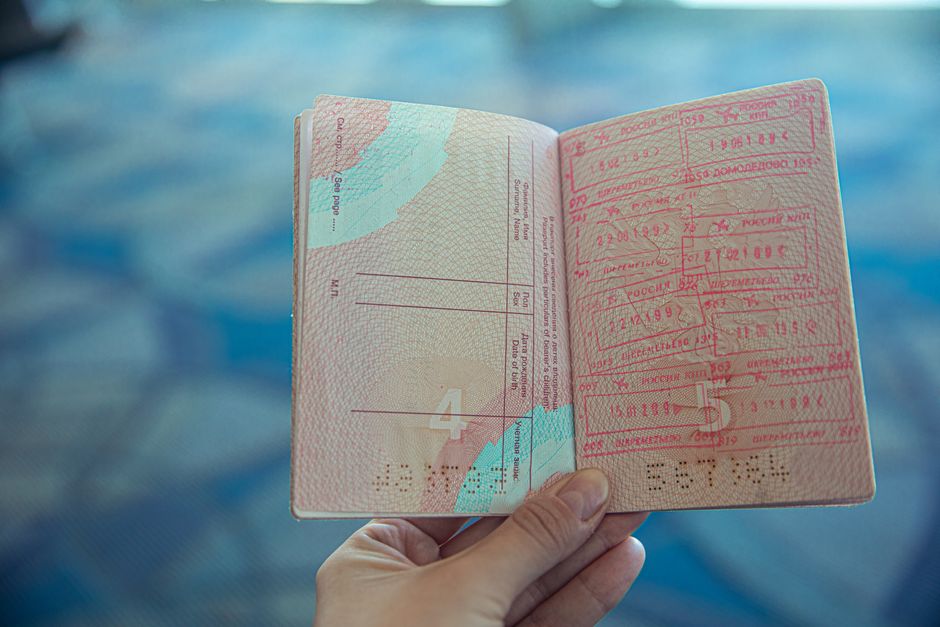
In the United States, passport applications and renewals are handled by the Department of State. Standard processing times fluctuate based on demand and seasonality. Expedited services are available for an additional fee, but even these have limits. It is advisable to initiate renewal at least six to nine months before travel, especially if you have upcoming international trips. Some countries also require a certain number of blank pages in your passport for visas and entry stamps. Familiarize yourself with these specifications to avoid last-minute issues.
If your passport is lost or stolen while abroad, the process to obtain a replacement can be time-consuming. Reporting the loss to local authorities and the nearest embassy or consulate is necessary. Having a digital copy or photocopy of your passport stored separately can facilitate this process, though it does not replace the original document. Keeping your passport in a secure location and being mindful of pickpocketing in tourist areas are practical precautions.
Visa Requirements and Application Procedures
Visa requirements vary widely by country and are influenced by factors such as your nationality, purpose of travel, and intended length of stay. Some destinations allow visa-free entry for short visits, while others require a visa obtained in advance. It is essential to verify the specific requirements for your destination through official government sources, as policies can change with little notice. Relying solely on third-party websites may lead to outdated or incorrect information.
The visa application process often involves submitting forms, paying fees, and providing supporting documents such as proof of accommodation, return tickets, or financial statements. Some countries offer electronic visas or visas on arrival, but these options may have eligibility restrictions. Processing times can range from a few days to several weeks, so applying early is prudent. If you have a criminal record or specific medical conditions, additional documentation or interviews might be required.
Common pitfalls at borders include incomplete applications, incorrect information, or failure to meet entry requirements. For instance, some countries require proof of onward travel or sufficient funds for your stay. Border officials may deny entry if they suspect you will overstay or work illegally. To mitigate risks, carry printed copies of your visa, itinerary, and any supporting documents. Being honest and prepared during immigration interviews can help facilitate smoother processing.
Travel Insurance: Coverage and Considerations
Travel insurance is designed to protect against unforeseen events that could disrupt your trip or lead to financial loss. Policies typically offer coverage for medical emergencies, trip cancellation, lost luggage, and other incidents. However, the specifics of coverage—such as exclusions, deductibles, and claim limits—vary significantly between providers. Reading the policy details carefully is necessary to understand what is and is not covered.
Medical coverage is particularly important for international travel, as many health insurance plans in the United States do not extend abroad. Even if they do, reimbursement may be limited. Travel insurance can fill gaps by covering emergency medical treatment, evacuation, and repatriation. Pre-existing conditions may be excluded unless you purchase a waiver, which often requires buying the policy within a certain timeframe after your first trip payment.
When selecting a policy, consider the nature of your trip and your personal health situation. Adventure activities like skiing or scuba diving may require additional riders. Similarly, if you are traveling to a region with specific health risks, check whether the policy includes coverage for those situations. It is also wise to review the claims process and emergency contact procedures before departure. Keeping digital and physical copies of your policy and emergency numbers can be helpful if you need to file a claim.
Avoiding Common Pitfalls at Borders
Border crossings can be stressful even with proper documentation. To reduce potential complications, ensure that all your documents are easily accessible and organized. This includes your passport, visa, insurance information, and any required health certificates. Some countries require proof of yellow fever vaccination or other health measures. Check the latest entry requirements well in advance.
Another common issue is overstaying a visa or violating its terms. Overstays can result in fines, bans, or difficulties in future travel. Be aware of the maximum allowed duration and any conditions attached to your visa. If you need to extend your stay, inquire about the process with local immigration authorities before your visa expires. Additionally, some countries require that you register with local authorities upon arrival, so familiarize yourself with these obligations.
Language barriers and unfamiliar procedures can add to the challenge. Having key phrases translated or using translation apps can assist. It is also beneficial to know the contact information of your country’s embassy or consulate in case of emergencies. They can provide guidance and assistance if you encounter legal or medical issues abroad.
Organizing Your Travel Documents
Creating a document checklist can help ensure nothing is overlooked. Before departure, gather all necessary papers and make copies to store separately from the originals. Digital copies saved in a secure cloud account or emailed to yourself can be a backup. Consider using a travel organizer or folder to keep physical documents tidy.
Here is a sample checklist of items to consider:
- Passport with required validity and blank pages
- Visa or entry permit (if applicable)
- Travel insurance policy and emergency contact numbers
- Flight itineraries and boarding passes
- Accommodation reservations
- Proof of sufficient funds (e.g., bank statements, credit cards)
- Vaccination certificates or health documents
- Photocopies of important documents
This list is not exhaustive and should be tailored to your destination and circumstances. For instance, some countries require a return ticket or proof of onward travel. Others may ask for a letter of invitation if visiting friends or family. Always verify with official sources.
In conclusion, documenting your trip involves careful attention to passports, visas, and insurance. The process is not about guaranteeing a flawless journey but about minimizing risks and being prepared for the unexpected. By understanding requirements, planning ahead, and staying organized, you can approach your travels with greater confidence. For personalized advice, consider consulting with travel professionals or relevant authorities.