Seasonal Travel in South America: When to Go
South America is a vast and diverse continent, spanning from the equator to near Antarctica, which means its seasonal patterns vary dramatically by region. Unlike North America or Europe, where four distinct seasons occur roughly at the same time across the continent, South America’s climate is influenced by latitude, altitude, ocean currents, and even the Andes mountain range. For travelers from the United States, understanding these variations is essential for planning a trip that aligns with desired activities, weather preferences, and crowd tolerance. Whether you are interested in hiking the Inca Trail in Peru, experiencing the vibrant Carnival in Brazil, or exploring the wine regions of Argentina, the timing of your visit can significantly shape your experience.
This article provides a neutral overview of seasonal considerations for three popular South American destinations: Peru, Argentina, and Brazil. It examines general weather patterns, peak travel periods, major festivals, and conditions for outdoor activities such as hiking. The goal is to offer context and information that can help you make informed decisions, rather than prescribing a specific best time to go. Keep in mind that weather is inherently variable, and local conditions can differ from year to year due to factors like El Niño or La Niña. Therefore, any planning should incorporate flexibility and reliance on up-to-date forecasts and local advice.
By breaking down the continent into key regions and highlighting the interplay between climate, tourism demand, and cultural events, this guide aims to support a more nuanced approach to trip planning. It is not a substitute for professional travel advice or detailed research, but rather a starting point for understanding the broad seasonal rhythms that affect travel in South America.
Peru: Andean Peaks and Coastal Deserts
Peru’s geography is characterized by three main regions: the arid coastal strip, the high Andes mountains, and the Amazon rainforest. Each has its own seasonal patterns, which can influence travel plans. The coastal region, including Lima, experiences a desert climate with mild temperatures year-round, but from May to October, a persistent garúa (mist) can bring cool, damp conditions. The Andes, home to iconic destinations like Machu Picchu and Cusco, have a more pronounced wet and dry season. The dry season runs from May to September, characterized by sunny days, cold nights, and clear skies—ideal for hiking. The wet season, from December to March, brings heavy rains that can lead to trail closures and landslides, though it also results in lush landscapes and fewer crowds.
For those planning to hike the Inca Trail or other Andean treks, the dry season is generally preferred because trails are more accessible and views are clearer. However, this period also coincides with the peak tourist season, meaning permits for the Inca Trail often sell out months in advance. The shoulder months of April and October can offer a balance: acceptable weather with fewer visitors. In the Amazon, the dry season (June to November) is better for wildlife spotting and hiking, while the wet season (December to May) brings higher water levels, allowing for boat excursions into flooded forests. It’s important to note that even in the dry season, mountain weather can change rapidly, so packing layers and rain gear is advisable.
Peru’s major festivals can also impact travel. Inti Raymi, the Festival of the Sun, takes place in Cusco in June and attracts many visitors. While it offers a rich cultural experience, it also leads to higher prices and crowded accommodations. Similarly, Semana Santa (Holy Week) in March or April is a significant event throughout the country, with processions and celebrations that can affect transportation and availability. When planning a trip to Peru, consider how these events align with your interests and tolerance for crowds.
Argentina: From Subtropical North to Patagonian Wilderness
Argentina’s vast expanse means its climate varies from subtropical in the north to subantarctic in the south. The central region, including Buenos Aires, has four distinct seasons. Summer (December to February) is hot and humid, with temperatures often exceeding 30°C (86°F). This is also the peak vacation period for Argentines, so beaches and tourist destinations are crowded. Winter (June to August) is mild in Buenos Aires but cold in Patagonia, where snow and low temperatures prevail. Spring (September to November) and autumn (March to May) are generally pleasant, with moderate temperatures and fewer crowds, making them ideal for exploring cities and wine regions like Mendoza.
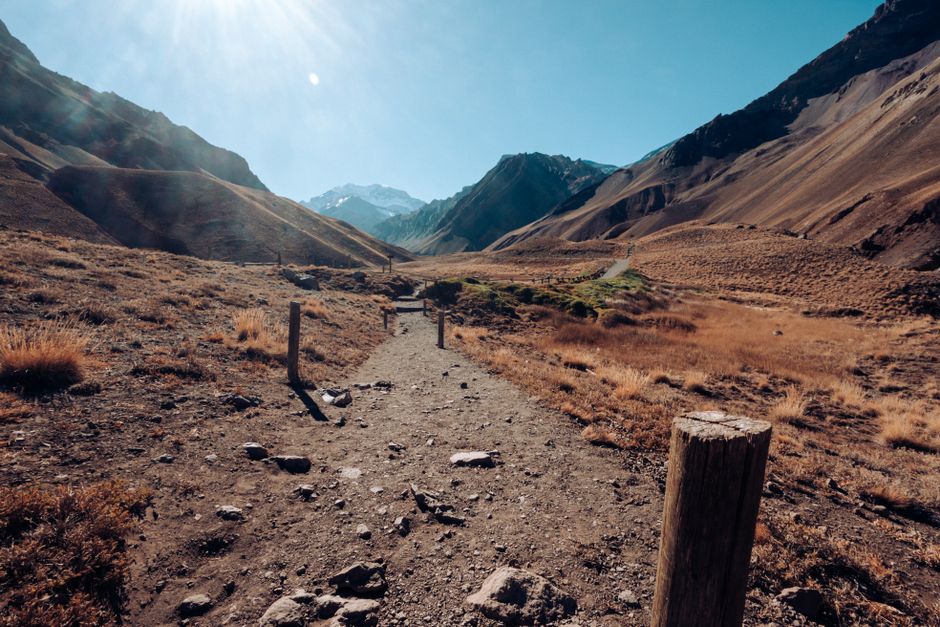
Patagonia, shared with Chile, is a major draw for outdoor enthusiasts. The best time for hiking and trekking is during the austral summer, from November to March, when temperatures are milder and daylight hours are long. However, this is also the peak season, so book accommodations and tours well in advance. The famous W Trek in Torres del Paine National Park can be particularly busy, and reservations for refugios (mountain huts) are essential. Shoulder seasons (October and April) can offer a quieter experience, but weather can be unpredictable, with cold snaps and snow possible even in summer. Travelers should be prepared for rapidly changing conditions and check trail statuses with local authorities.
Argentina’s cultural calendar features several events that can affect travel. Carnival is celebrated in various regions, especially in the north, with colorful parades and festivities. In Buenos Aires, the Tango Festival and World Cup in August draw dance enthusiasts. Wine harvest festivals in Mendoza, such as the Vendimia Festival in March, are popular and require advance planning. Keep in mind that domestic travel during holidays like Christmas and New Year can be hectic, with many Argentines traveling to visit family or vacation. Flexibility and early bookings are key to navigating these peak periods.
Brazil: Tropical Rhythms and Carnival Celebrations
Brazil’s climate is predominantly tropical, with the Amazon basin experiencing high temperatures and humidity year-round. The coastal regions, including Rio de Janeiro and Salvador, have a tropical climate with a wet season from December to March and a dry season from May to September. The dry season is generally more comfortable for beach activities and sightseeing, while the wet season can bring heavy downpours but also lower prices and fewer tourists. The southern region, including São Paulo and Porto Alegre, has a subtropical climate with more distinct seasons. Winters (June to August) can be cool, especially in the highlands, while summers (December to February) are hot and humid.
Carnival is Brazil’s most famous festival and takes place in February or March, depending on the year. It is a major draw for tourists, with celebrations in Rio de Janeiro, Salvador, and Recife being particularly renowned. If you plan to visit during Carnival, expect high prices, crowded streets, and a vibrant atmosphere. Conversely, if you prefer a quieter experience, you might avoid this period. Other notable events include the Festa Junina in June, which celebrates rural life with music, dancing, and food, and New Year’s Eve in Rio, which features one of the world’s largest fireworks displays. These events can significantly impact travel logistics, so plan accordingly.
For hiking and nature activities, the dry season in the Amazon (June to November) is ideal for jungle treks and wildlife observation. The Pantanal, a vast wetland area, also has its dry season from May to September, which is the best time for spotting jaguars and other wildlife. However, even in the dry season, mosquitoes can be prevalent, so take necessary precautions. In the southern regions, the Serra do Mar and other mountain areas offer hiking opportunities, with the best conditions in the cooler, drier months of April to September. Always check local conditions and guide availability, as some trails may be closed during heavy rains.
Balancing Festivals, Crowds, and Hiking Conditions
When planning a trip to South America, it’s important to weigh your priorities: Are you seeking optimal weather for hiking, a cultural festival experience, or avoidance of crowds? Each destination has its high and low seasons, and these often overlap with school holidays, local vacations, and major events. For example, the dry season in the Andes coincides with the peak tourist season, meaning you’ll have better hiking conditions but more people. Conversely, traveling in the shoulder season might offer a compromise: decent weather, fewer crowds, and potentially lower prices, though some services may be limited.
It’s also worth considering the impact of climate phenomena such as El Niño and La Niña, which can alter typical weather patterns. For instance, El Niño can bring heavier rains to Peru’s coast and warmer winters to Argentina, while La Niña may cause drier conditions in some areas. These anomalies are difficult to predict far in advance, so monitoring seasonal forecasts closer to your travel dates is advisable. Additionally, local holidays and events can affect transportation, accommodation availability, and opening hours of attractions. Researching these factors can help you avoid unexpected disruptions.
Ultimately, there is no single best time to visit South America; it depends on your specific interests, flexibility, and tolerance for varying conditions. By understanding the general seasonal patterns and remaining adaptable, you can plan a trip that aligns with your expectations. Remember that travel involves inherent uncertainties, and relying on multiple sources of information—including local guides, official tourism websites, and weather services—can enhance your preparedness. Whether you’re drawn to the ancient ruins of Peru, the tango halls of Argentina, or the beaches of Brazil, a well-informed approach will help you make the most of your journey.