Saving Money on Food While Traveling in Southeast Asia
Traveling through Southeast Asia offers a rich tapestry of culinary experiences, from bustling street markets to tranquil local eateries. For many travelers, food represents a significant portion of daily expenses, but with thoughtful planning, it is possible to enjoy delicious meals without overspending. This article explores practical approaches to managing food costs while maintaining a focus on hygiene and nutritional balance. By understanding local food cultures and adopting simple budgeting techniques, travelers can make their journey both affordable and enjoyable.
The region’s diverse food landscape provides numerous opportunities to eat well on a budget. Street vendors, family-run restaurants, and fresh markets often offer meals at a fraction of the cost of tourist-oriented establishments. However, navigating these options requires some knowledge and preparation. This guide outlines strategies for identifying safe, affordable food sources and tracking daily expenditures to stay within financial goals.
It is important to note that individual experiences may vary based on location, season, and personal preferences. The information presented here is intended to provide general guidance, and travelers should exercise their own judgment and consider local conditions. With that in mind, let’s delve into the practical aspects of saving money on food while traveling in Southeast Asia.
Understanding the Local Food Scene
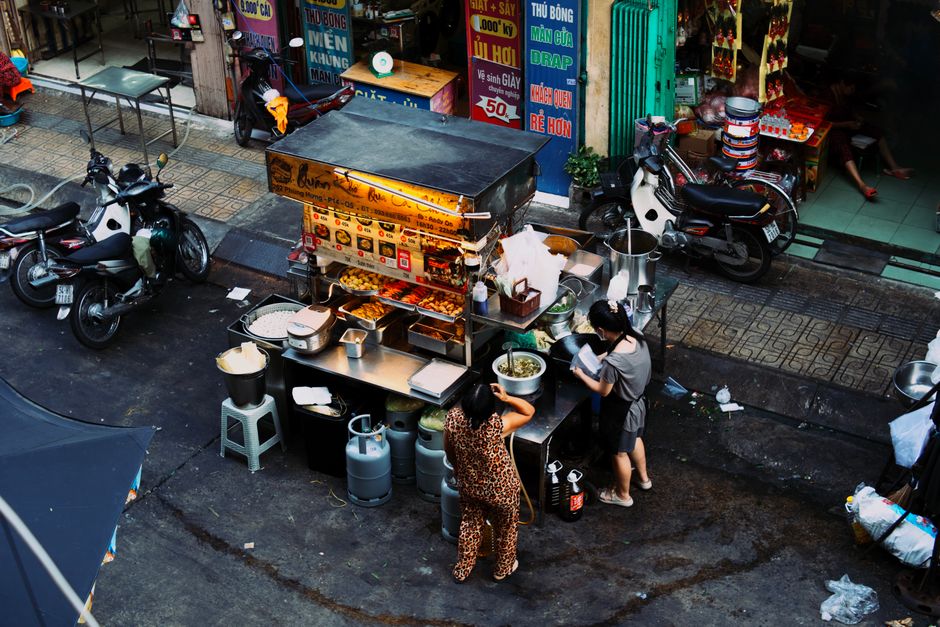
To make informed choices about food spending, it helps to first understand the structure of Southeast Asia’s food economy. Street food is a cornerstone of daily life in many countries, offering quick, flavorful meals at low prices. Vendors often specialize in a single dish, which allows for efficient preparation and consistent quality. These stalls can be found in markets, along sidewalks, and in mobile carts, especially during morning and evening hours.
Local eateries, known by various names such as warungs in Indonesia or quán ăn in Vietnam, are small restaurants that cater primarily to residents. They typically serve a limited menu of home-style dishes at affordable prices. These establishments often provide a comfortable setting and may offer more substantial portions than street stalls. Additionally, self-catering options, such as cooking in hostel kitchens or preparing simple meals with ingredients from local markets, can further reduce costs.
When exploring the local food scene, it is useful to observe where residents eat. High foot traffic and rapid turnover often indicate fresh ingredients and safe handling practices. By aligning with local dining habits, travelers can access authentic meals while managing expenses. It is also worth noting that prices can vary significantly between urban centers and rural areas, so adjusting expectations accordingly is beneficial.
Navigating Street Food Markets
Street food markets are vibrant hubs of activity and a fantastic way to sample a variety of dishes without spending much. To make the most of these markets, consider visiting during peak hours when food is freshest and stalls are busiest. This timing often ensures that ingredients have not been sitting out for long periods. Look for vendors who are actively cooking and serving customers, as this suggests a high turnover of food.
Hygiene is a key consideration when choosing street food. While not all stalls have the same standards, there are several indicators of safe practices. For example, vendors who use clean utensils, wear gloves, and have access to running water are generally preferable. Additionally, choosing cooked-to-order dishes rather than pre-prepared items can reduce the risk of foodborne illness. It is also advisable to carry hand sanitizer and use it before eating.
Another strategy is to start with popular stalls that have a loyal local following. These vendors often have a reputation to maintain and may adhere to better hygiene practices. If uncertain, observe the stall for a few minutes to see how food is handled and stored. Trust your instincts: if a stall appears unclean, it is best to move on. Remember that the goal is to enjoy the experience while minimizing potential health risks.
Exploring Local Eateries
Local eateries provide a comfortable middle ground between street food and more expensive restaurants. These small establishments often have a fixed menu and seating area, allowing for a relaxed dining experience. Prices are typically lower than tourist-oriented restaurants, and portions are generous. To find good local eateries, consider asking accommodation staff or fellow travelers for recommendations. Online reviews can also be helpful, but be aware that some reviews may be outdated.
When dining at local eateries, it is beneficial to learn a few basic phrases in the local language. This can help with ordering and may also lead to better service. Many eateries display their menu with prices, so you can gauge affordability before sitting down. If prices are not displayed, it is acceptable to ask. In some cases, eateries may offer daily specials or set meals that provide good value.
It is also worth noting that local eateries often cater to specific dietary needs, such as vegetarian or halal options, especially in countries with diverse populations. However, cross-contamination can be a concern, so communicate clearly about any allergies or restrictions. Overall, local eateries offer a balance of comfort, affordability, and authenticity that many travelers appreciate.
Self-Catering and Grocery Shopping
For travelers with access to a kitchen, self-catering can be a significant money-saver. Hostels, guesthouses, and some hotels provide shared kitchen facilities where you can prepare your own meals. This approach not only reduces food costs but also gives you control over ingredients and hygiene. Local markets and grocery stores offer a wide range of fresh produce, meats, and staples at reasonable prices.
When shopping for groceries, consider buying seasonal fruits and vegetables, which are often cheaper and tastier. Rice, noodles, and eggs are affordable staples that can form the basis of many meals. It is also useful to shop at local markets rather than convenience stores, as prices are generally lower and quality may be better. However, be mindful of food safety when purchasing perishable items, and ensure proper storage and cooking.
Meal planning can help reduce waste and save money. For example, preparing a large batch of a simple dish can provide multiple meals. Additionally, carrying a reusable water bottle and refilling it with purified water can cut down on beverage expenses. While self-catering requires some effort, it can be a rewarding way to engage with local ingredients and culinary traditions.
Hygiene Tips and Budget Tracking
Maintaining good hygiene practices is essential when eating in Southeast Asia, regardless of where you choose to dine. Always wash your hands with soap and water before eating, or use hand sanitizer if soap is unavailable. Avoid drinking tap water unless it has been boiled or purified; bottled water is widely available and inexpensive. When eating street food, opt for dishes that are served hot and freshly cooked.
Budget tracking is another key component of saving money on food. Keeping a daily record of your expenses can help you stay within your financial limits and identify areas where you can cut back. There are various methods for tracking, from simple notebook entries to mobile apps. Choose a system that works for you and be consistent. It can also be helpful to set a daily food budget and review it regularly.
In addition to tracking expenses, consider setting aside a small contingency fund for unexpected costs or special meals. This allows for flexibility without derailing your overall budget. Remember that food is not just a necessity but also a part of the travel experience, so it is okay to splurge occasionally. The key is to balance enjoyment with financial responsibility.
By combining awareness of local food options, hygiene practices, and budget tracking, travelers can navigate Southeast Asia’s culinary landscape with confidence. While individual results may vary, these strategies can contribute to a more affordable and enjoyable journey. As with any aspect of travel, adaptability and open-mindedness are valuable assets.