Essential Visa Tips for First-Time Travelers to Asia
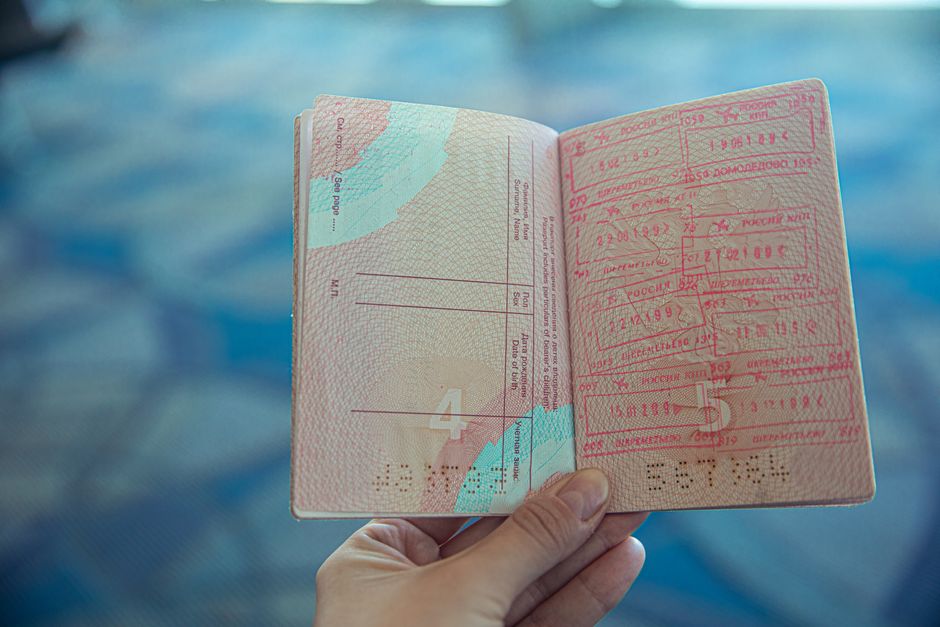
Planning a first trip to Asia involves understanding the entry requirements of each destination, as visa policies vary widely across the region. Many countries offer visa-on-arrival, electronic visas (e-visas), or traditional embassy applications, each with distinct procedures, costs, and timelines. Being informed about these options can help streamline your preparations and reduce uncertainty at the border. This article provides a factual overview of common visa types and offers practical guidance on gathering documents, estimating processing times, and navigating application steps for several popular Asian countries.
First-time travelers often encounter terms like “visa exemption,” “visa on arrival,” and “e-visa” and may wonder how they differ. A visa exemption allows entry without a visa for a limited stay, typically for tourism or business, while a visa on arrival is issued at the port of entry upon meeting specific conditions. An e-visa is obtained online before travel and is electronically linked to your passport. Each option has its own set of requirements, and choosing the right one depends on your nationality, purpose of travel, and duration of stay. Understanding these distinctions is the first step toward a smooth application process.
It is important to note that visa rules are subject to change and are influenced by bilateral agreements, security considerations, and public health situations. Therefore, always verify current requirements with the official embassy or consulate of your destination country before making travel plans. The information here is intended as a general guide and not as a substitute for professional advice. By approaching visa preparation methodically, you can focus on enjoying your journey.
Visa on Arrival: What to Expect
Visa on arrival (VOA) is available in several Asian countries, including Indonesia, Thailand, and Cambodia, though eligibility and conditions vary. Typically, VOA is granted for tourism purposes for a stay of 30 days, and it may be extendable in some cases. To obtain VOA, you generally need a passport valid for at least six months, a return or onward ticket, proof of sufficient funds, and sometimes a recent passport-sized photo. The fee is usually payable in cash in the local currency or US dollars, and it’s advisable to have the exact amount to avoid delays. While VOA can be convenient, it is not guaranteed; entry is at the discretion of immigration officials, who may request additional documentation.
At major international airports, there are dedicated counters for VOA, but queues can be long during peak travel times. Some countries, like Indonesia, have expanded VOA to seaports and land border crossings, but it’s essential to confirm availability at your specific point of entry. It’s also worth noting that VOA is not the same as a visa-free entry; if you overstay, you may face fines or bans. Travelers should check whether their nationality is eligible for VOA, as not all passports qualify. For instance, Indonesia’s VOA is available to citizens of over 90 countries, while Thailand’s VOA list is more limited.
When using VOA, ensure that your passport has blank pages for the sticker and that you have completed any required arrival/departure cards. Some countries require an online health declaration or customs form in advance. It’s prudent to carry printed copies of your hotel booking and return flight, as proof of onward travel is often requested. If you plan to stay longer than the initial period, inquire about extension procedures at the local immigration office, as overstaying can lead to penalties. Overall, VOA can be a practical option for spontaneous travelers, but it requires preparation and adherence to specific rules.
E-Visas: Applying Online Before You Go
An e-visa is an electronic authorization obtained through an official government website before travel. Countries such as India, Vietnam, and Sri Lanka offer e-visas for tourism, business, or medical purposes. The application process typically involves filling out an online form, uploading a scanned passport bio page and a recent photograph, and paying a fee by credit card. Processing times range from a few hours to several business days, but it’s recommended to apply at least a week before departure to account for any delays. Once approved, you receive an e-visa letter or confirmation, which you must print and present upon arrival along with your passport.
E-visas are tied to a specific port of entry, so you must arrive at the designated airport or seaport. The validity period varies: some e-visas must be used within a certain timeframe, while others allow multiple entries. For example, India’s e-visa is valid for 30 days from the date of approval and allows double entry for tourism. Vietnam’s e-visa is valid for 30 days and is single-entry. It’s crucial to apply on the official government website to avoid scams or inflated fees from third-party sites. Also, ensure that your passport is valid for at least six months beyond your intended stay, as this is a common requirement.
If your e-visa application is denied, you may need to apply through an embassy or consulate instead. Common reasons for denial include incomplete forms, unclear documents, or security concerns. Therefore, double-check all information before submission. Some countries require additional documents like a letter of invitation or proof of accommodation, so read the requirements carefully. While e-visas simplify the process, they still require attention to detail. Keep a digital and physical copy of your e-visa to show at check-in and immigration. If you have a layover in another country, ensure you meet its transit requirements as well.
Embassy Applications: When to Go in Person
For travel to countries like China, Japan, or Myanmar, you may need to apply for a visa at the embassy or consulate in your home country. Embassy applications often require an in-person appointment, though some consulates accept mail-in applications. The process starts with completing the application form, which may be available online or in person. You’ll need to submit your passport, photos, travel itinerary, hotel reservations, flight confirmations, and sometimes bank statements or an invitation letter. Fees vary by nationality and visa type, and processing can take from a few days to several weeks, so apply early. Some embassies outsource visa collection to authorized centers, which may charge additional service fees.
Before your appointment, review the embassy’s website for specific requirements, as they can change frequently. For example, China requires a visa application form, a recent photo, and proof of itinerary, and may request an interview for certain visa categories. Japan’s visa process often requires a detailed itinerary and proof of financial means. In some cases, you may need to provide a Letter of Guarantee from a host in the country. It’s also important to note that embassy visas are usually stamped in your passport and may specify the number of entries and duration of stay. Overstaying an embassy visa can lead to fines and future travel bans.
If you’re applying from the United States, you may be able to use a visa service company to handle the submission, but this adds cost. Always use official channels to avoid fraud. Processing times can be longer during peak seasons or holidays, so plan accordingly. If you have dual citizenship, be aware that some countries require you to apply using the passport you will travel with. Additionally, some embassies require you to appear in person for biometric data collection, such as fingerprints. Keep copies of all documents you submit and note the expected processing time to follow up if needed.
Documents and Fees: What You’ll Need
Regardless of the visa type, certain documents are commonly required. These include a passport valid for at least six months beyond your planned departure, with at least two blank pages. You’ll also need recent passport-sized photos that meet specific size and background requirements. Proof of onward travel, such as a return flight ticket or a booking to a third country, is often mandatory. Accommodation details, like hotel reservations or an invitation letter from a host, may be requested. For some countries, you must show proof of sufficient funds to cover your stay, typically through bank statements or cash. Travel insurance is not always required but is highly recommended for medical emergencies.
Fees for visas vary widely. For example, a tourist visa for India can cost around $80, while Thailand’s visa on arrival is 2,000 Thai baht (approximately $55). Embassy visas for China may cost $140 for US citizens, and Japan’s visa fee is around $30 for single-entry. These fees are subject to change and may differ based on nationality and processing speed. Some countries offer rush processing for an extra fee. Payment methods vary: e-visas usually require credit card payment, while visa on arrival often requires cash. Embassy applications may accept money orders or cashier’s checks. Always check the official fee schedule to avoid overpaying.
It’s also wise to carry photocopies of your passport, visa, and other important documents separately from the originals. In case of loss or theft, having copies can expedite replacement. Additionally, check if your destination requires a yellow fever vaccination certificate or other health documents, especially if you’re arriving from a country with disease transmission. Some countries, like Indonesia, require a customs declaration form, which can be completed online before arrival. By preparing a checklist and gathering all necessary paperwork well in advance, you can minimize stress and potential delays at immigration.
Processing Times and Planning Ahead
Processing times for visas can range from immediate for visa on arrival to several weeks for embassy applications. E-visas typically take between 3 and 7 business days, but can be faster or slower depending on the country and time of year. Embassy visas often require 5 to 15 business days, not including mailing time. During peak travel seasons or holidays, delays are common, so apply at least one to two months before your trip. Some embassies offer expedited services for an additional fee, but these are not guaranteed. It’s also important to consider the time needed to gather documents, such as bank statements or invitation letters, which may require advance requests.
If you have a tight timeline, prioritize destinations that offer e-visas or visa on arrival, as they are generally quicker. However, even with e-visas, allow a buffer in case of technical issues or requests for additional information. For embassy applications, check if your local consulate has a drop-off service or requires an appointment, as appointment slots can fill up quickly. Monitoring the embassy’s website for updates on processing times is advisable. Additionally, if you’re traveling to multiple countries, ensure you understand the visa requirements for each, as you may need to obtain visas in advance or in a specific order.
Another factor is the validity of your visa. Some visas must be used within a certain period after issuance, while others are valid for a specific window. For example, a Thai visa on arrival is valid for 15 days and cannot be extended, whereas a tourist visa from an embassy may allow a 60-day stay. Always check the “must enter by” date and the permitted duration of stay. Overstaying can result in daily fines, detention, or deportation, which can affect future travel. Setting reminders for visa expiration and any extension deadlines can help you avoid these issues. Planning ahead and understanding processing times are key to a smooth experience.
Wanderlust Guides emphasizes that visa regulations are dynamic, and travelers should consult official sources for the most current information. This article is for informational purposes only and does not constitute legal advice.